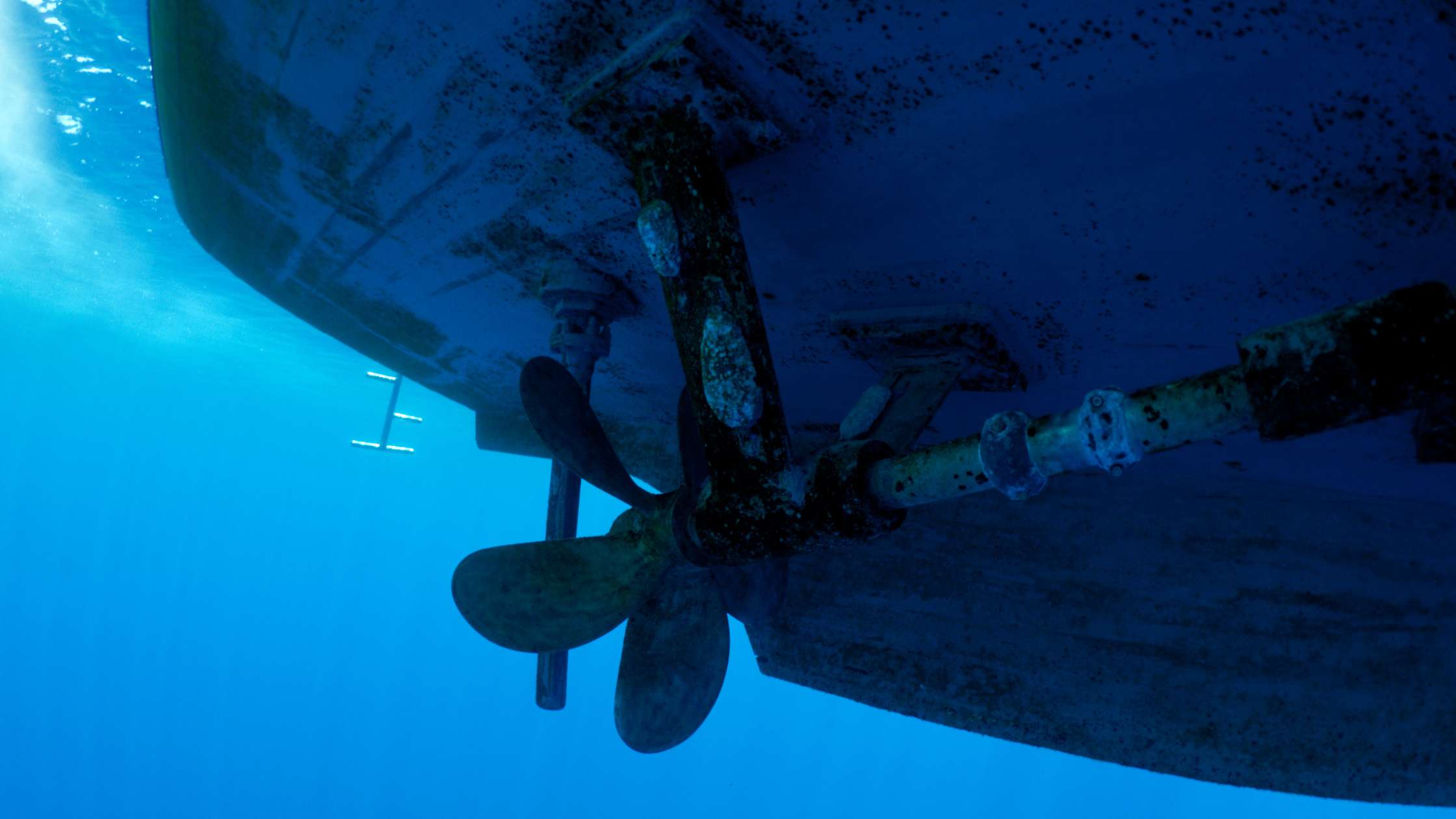
Your boat’s propeller plays a critical role in converting engine power into forward and reverse movement. Because the propeller operates underwater, problems can often go unnoticed until they begin affecting your boat’s performance.
A damaged, bent, fouled, or improperly operating propeller can cause vibration, reduce performance, increase fuel consumption, and potentially contribute to additional problems with the boat’s running gear.
Knowing what to look for can help identify a propeller problem before it becomes a more expensive repair. Here are five signs that your boat’s propeller may need professional inspection or repair.
1. Your Boat Has Developed New or Unusual Vibration
One of the most noticeable signs of a propeller problem is a vibration that was not present previously.
A propeller can become bent or damaged after striking submerged objects, debris, sandbars, or other underwater hazards. Even relatively minor damage to a propeller blade can affect its balance and cause noticeable vibration while the vessel is underway.
Vibration can also be caused by other components of the vessel’s running gear, so it is important to have the underwater components inspected rather than assuming the propeller is the only possible source.
If your boat suddenly develops a vibration, an underwater inspection can help determine whether the propeller, shaft, or another component requires attention.
2. Your Boat Is Losing Performance
If your boat is no longer reaching the speed or engine RPM it normally achieves, the propeller should be one of the components considered during an inspection.
Damage to a propeller blade, excessive marine growth, corrosion, or other underwater issues can affect the propeller’s ability to efficiently move the vessel through the water.
A noticeable change in acceleration, cruising speed, fuel consumption, or engine performance may indicate that something has changed below the waterline.
An underwater inspection can help identify whether the propeller or another component of the vessel’s running gear is contributing to the change in performance.
3. The Propeller Has Been Struck or May Have Contacted Debris
Propeller damage can occur quickly when a vessel contacts submerged objects.
If you know your propeller has struck something, or if you have recently operated in an area with floating debris, shallow water, sand, rocks, or other underwater hazards, it is a good idea to have the propeller inspected.
A propeller does not necessarily have to be visibly destroyed to require attention. Bent blades, small cracks, distortion, or other damage can affect propeller performance and create vibration.
In many cases, an underwater inspection can determine the condition of the propeller without requiring the vessel to be hauled out.
4. There Is Excessive Marine Growth or Fouling on the Propeller
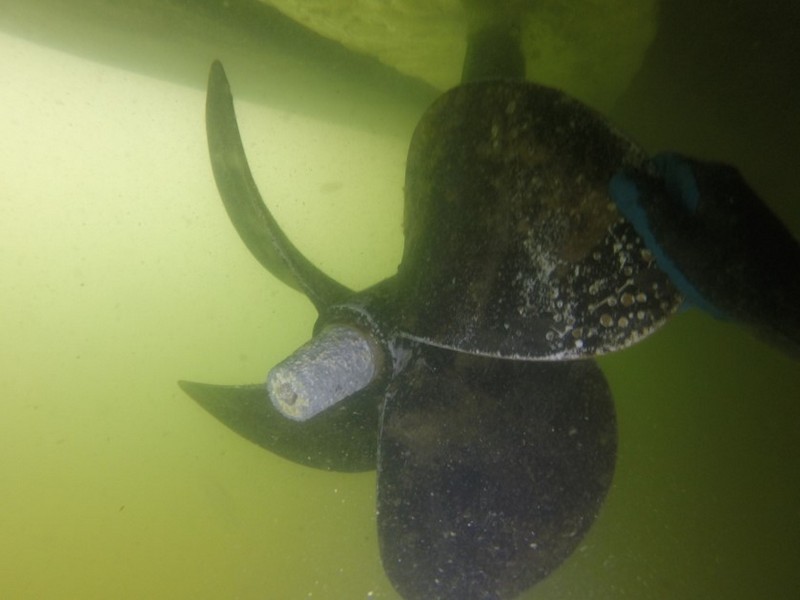
Marine growth does not only affect the hull. Propellers can also accumulate barnacles, algae, and other marine growth that can interfere with proper operation.
Heavy growth can change the shape and surface of the propeller blades, reducing efficiency and potentially contributing to vibration or reduced performance.
Propellers should be inspected and cleaned as part of regular underwater maintenance, particularly for vessels that remain in the water for extended periods.
Keeping the propeller clean allows it to operate as designed and can help identify damage or other problems that may otherwise remain hidden underwater.
5. You Notice Corrosion, Damaged Blades, or Other Visible Problems
Corrosion, damaged blade edges, missing material, bent blades, and other abnormalities are all reasons to have a propeller professionally inspected.
Propeller condition can change over time due to normal operation, impact, corrosion, and exposure to the marine environment. An inspection can identify problems that may require repair, replacement, or additional evaluation of the vessel’s underwater running gear.
It is also important to inspect the surrounding components, including the shaft, shaft hardware, and anodes, because problems with one underwater component can sometimes affect or be related to another.
Why Professional Propeller Inspections Matter
A propeller problem is not always obvious from above the water. Many issues can only be properly evaluated by inspecting the vessel’s underwater running gear.
Professional underwater inspections can help identify propeller damage, marine growth, corrosion, and other problems before they result in more significant performance issues or damage.
Depending on the vessel and the condition of the propeller, underwater service may allow certain inspections, cleaning, removal, or service work to be completed without hauling the vessel out of the water.
Hull2Prop Underwater Propeller Services
Hull2Prop provides professional underwater propeller inspection and service for vessels throughout Florida.
Our commercial dive team can inspect underwater running gear and provide propeller-related services while the vessel remains in the water when the specific application allows. Our services include propeller inspection, propeller removal and installation, propeller cleaning, and related underwater maintenance.
If you have noticed unusual vibration, a change in performance, or possible damage to your propeller, contact Hull2Prop to discuss your vessel and determine whether an underwater inspection is appropriate.